

Discover the heart of relationships with our Lessons in Love Guide. It blends timeless wisdom and modern insights, offering practical steps to deepen affection, foster respect, and build lasting bonds. Start your journey toward a richer, more meaningful connection today. Grow together, cherish shared moments.!
What This Guide Aims to Achieve
Our Lessons in Love Guide is designed to empower individuals and couples with actionable insights that transform everyday interactions into meaningful, lasting connections. By blending psychological research, real‑world anecdotes, and practical exercises, the guide offers a comprehensive roadmap for cultivating empathy, strengthening communication, and nurturing mutual respect. It starts with foundational principles—self‑awareness, emotional intelligence, and the recognition that love is both an art and a science. From there, readers learn how to identify and honor their own needs while simultaneously attuning to their partner’s desires, creating a dynamic balance that fuels intimacy. The guide also addresses common pitfalls such as miscommunication, unmet expectations, and emotional disconnection, providing evidence‑based strategies to navigate these challenges with grace and resilience. Throughout, the emphasis remains on growth: encouraging continuous learning, adaptability, and a shared commitment to evolving together. By the end, participants will have developed a personalized toolkit that includes daily practices, reflective prompts, and actionable steps to sustain passion, trust, and partnership over time. Whether you’re just starting a relationship or looking to rekindle a long‑term bond, this guide serves as a trusted companion on the journey toward deeper, more authentic love.Remember, love thrives when nurtured with patience, curiosity, and a willingness to grow together, turning everyday moments into shared adventures of heart;
How to Use This Guide Effectively
Begin by setting a clear intention: decide whether you want to strengthen an existing bond or explore new relational horizons. Allocate a weekly block of 30–45 minutes, free from distractions, to read a section and practice its exercises. Pair each lesson with a reflective journal entry—note emotions, insights, and any recurring patterns. When applying techniques, start small: use active listening in everyday conversations, then gradually integrate deeper practices like shared gratitude lists or scheduled “check‑in” rituals. Communicate openly about your progress; invite feedback from your partner to ensure mutual alignment. If you encounter resistance, revisit the foundational principles—self‑awareness, empathy, and respect—and adjust your approach accordingly. Remember, consistency outweighs intensity; regular, intentional practice builds resilience and transforms fleeting moments into lasting habits. Finally, celebrate milestones together, reinforcing the positive cycle of growth and connection. By treating this guide as a living companion rather than a static manual, you’ll cultivate a dynamic, evolving partnership that thrives on curiosity, compassion, and shared purpose. In practice, set aside a weekly review where both partners reflect on what worked, what didn’t, and how they can support each other’s growth. Use this time to celebrate small wins, adjust expectations, and reaffirm shared goals, ensuring the partnership remains a source of joy, learning, and mutual empowerment. Together, these practices weave a resilient love that adapts and deepens!!.

Understanding the Foundations of Love

Love’s roots lie in trust, respect, and shared values. By nurturing emotional safety, couples create a space where vulnerability thrives. Recognizing each partner’s needs, honoring boundaries, and practicing empathy lay the groundwork for a resilient, compassionate bond that grows over time. Together, we thrive.
The Role of Self‑Love
Self‑love is the cornerstone of any healthy relationship. It begins with acknowledging your worth, setting boundaries, and honoring your emotions without judgment. When you nurture your own needs—whether they involve rest, creativity, or personal growth—you create a reservoir of emotional resilience that buffers against external stressors. This inner stability allows you to approach partners with authenticity, compassion, and confidence. Practicing self‑love also means forgiving yourself for past mistakes, learning from them, and using those lessons to inform future choices. By cultivating a habit of daily affirmation, mindful reflection, and intentional self‑care, you reinforce a sense of autonomy and self‑respect. These qualities radiate outward, inviting partners to reciprocate similar respect and care. Moreover, a strong sense of self reduces the tendency to seek validation solely from others, fostering healthier interdependence rather than codependency. When you are comfortable in your own skin, you communicate more clearly, set realistic expectations, and maintain emotional boundaries that protect both parties. Ultimately, self‑love is not a solitary pursuit but a dynamic practice that enriches your capacity to give and receive love in balanced, sustainable ways. By investing in yourself, you lay a solid foundation for a partnership that thrives on mutual growth, trust, and shared joy.
Embracing self‑love means honoring your inner voice, celebrating progress, and allowing yourself to grow without fear. It empowers connection and nurtures joy. daily

Building Emotional Connection

Emotional connection is the invisible thread that weaves intimacy into a partnership. It begins with vulnerability—sharing hopes, fears, and daily moments without fear of judgment. When both partners practice active listening, they validate each other’s feelings, creating a safe space for honest dialogue. Small gestures, like a gentle touch or a heartfelt compliment, reinforce trust and remind each other of shared affection. Consistent, intentional check‑ins allow couples to stay attuned to evolving needs, preventing misunderstandings before they grow; Shared rituals—whether a nightly gratitude exchange, a weekly date, or a joint hobby—anchor the relationship, offering predictable moments of closeness that reinforce emotional bonds. Mindful presence, where one partner fully engages without distractions, signals respect and deepens connection. Expressing empathy, especially during conflict, demonstrates that each person’s emotions matter, turning potential friction into growth. By celebrating each other’s successes and supporting during setbacks, partners reinforce a mutual narrative of partnership. Over time, this continuous exchange of empathy, validation, and shared experiences builds a resilient emotional foundation that sustains love even amid life’s inevitable challenges. Moreover, intentional vulnerability fosters a deeper sense of belonging, allowing partners to feel seen and heard. When both individuals commit to continuous learning about each other’s evolving selves, the relationship transforms into a dynamic partnership that adapts gracefully. This ongoing dialogue of affection and understanding becomes the bedrock of a love that not only endures but flourishes, enriching both hearts with shared purpose and joy.
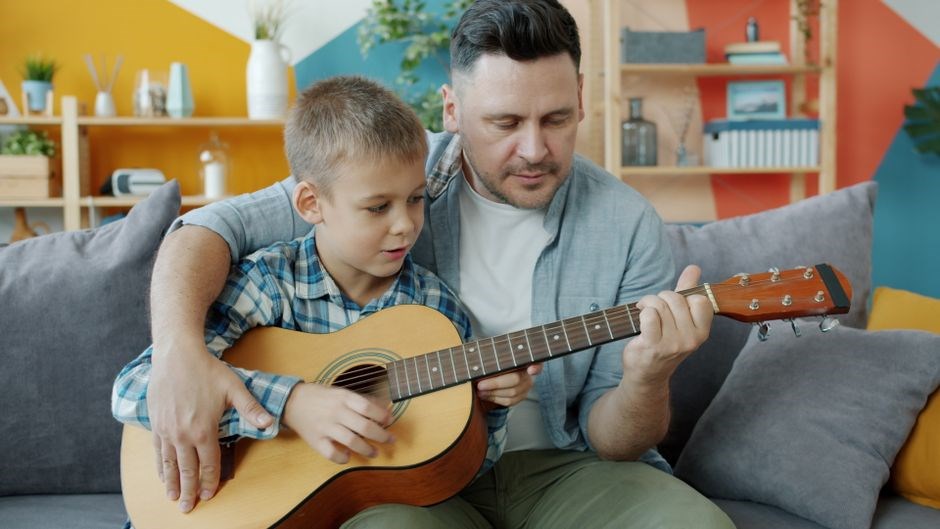
Effective Communication in Relationships
Clear, compassionate dialogue is the cornerstone of lasting love. By listening deeply, speaking honestly, and validating feelings, partners create a safe space for truth. Structured check‑ins, non‑judgmental language, and shared goals turn everyday talk into a powerful bond. Together, they nurture trust clarity!!

Active Listening Techniques

Active listening is more than hearing words; it’s a deliberate practice that transforms dialogue into connection. Begin by setting a shared intention: “I want to understand you fully.” This mindset shifts focus from formulating a reply to absorbing meaning. Use open‑ended questions to invite elaboration, and mirror back the core of what you heard. For instance, “You feel overwhelmed by the deadlines, right?” This confirms comprehension and invites correction if needed. Body language matters: maintain eye contact, lean slightly forward, and keep an open posture. Avoid interrupting or formulating counter‑arguments while the speaker is still talking; pause for a beat before you respond. This pause signals respect and allows the speaker to finish. Practice reflective listening by paraphrasing key points: “So you’re saying that the project timeline is causing you stress because of the limited resources.” This technique clarifies intent and demonstrates attentiveness. When emotions run high, employ the “I‑statement” approach to validate feelings without assigning blame: “I hear you’re frustrated, and I can see why.” This reduces defensiveness and keeps the conversation constructive. Finally, summarize the discussion at the end: “To recap, we agreed on a revised deadline and a resource allocation plan.” Summaries reinforce mutual understanding and set a clear path forward. By consistently applying these strategies, couples cultivate empathy, reduce misunderstandings, and strengthen their emotional bond over time. Moreover, practicing active listening requires patience and humility. When you notice your mind drifting, gently bring your focus back to the speaker. A cue like nodding or saying “I see” signals that you are present. Over time, these habits become nature, deepening trust and intimacy.
Expressing Needs and Boundaries
Clear articulation of personal needs and boundaries is the cornerstone of a healthy partnership. Begin by identifying core values that shape your emotional landscape—whether it’s quality time, autonomy, or emotional safety. Translate these values into concrete statements that can be shared without ambiguity. For example, “I need a quiet hour each evening to recharge” or “I value open conversations about finances.” When you express a need, explain why it matters. This reduces defensiveness and invites collaboration.
Boundary setting follows a similar logic but focuses on limits rather than desires. Use “I” statements to assert limits: “I feel uncomfortable when plans change last minute without discussion.” This clarifies the emotional impact and invites respect. Practice consistency; repeated reinforcement signals importance. When a boundary is crossed, address it promptly, referencing the original statement and the feelings it triggered. This approach keeps the conversation anchored in shared understanding rather than blame.
Timing is critical. Choose moments of calm, when both partners are receptive, to discuss needs and boundaries. Avoid high‑stress contexts that can trigger knee‑jerk reactions. Additionally, listen actively to your partner’s needs, mirroring the same respectful tone you use for your own. This reciprocity builds a culture of mutual care. Over time, expressing needs and boundaries becomes a natural rhythm, fostering trust, reducing resentment, and strengthening the emotional bond!!! :

Managing Conflict and Growth
Conflict, when approached constructively, fuels growth. Embrace calm dialogue, active listening, and shared problem‑solving. Focus on solutions, not blame, and celebrate progress together. This mindset transforms tension into deeper connection and resilience. Together, we grow!
Healthy Conflict Resolution Strategies
In the Lessons in Love Guide, we explore conflict as a catalyst for deeper intimacy. The first step is to pause and breathe, allowing emotions to settle before dialogue begins. Next, practice active listening: repeat what your partner says, validate feelings, and ask clarifying questions. This demonstrates respect and reduces defensiveness.
Use “I” statements to express needs without blame, such as “I feel hurt when…” instead of “You always…”. This keeps the conversation focused on feelings rather than accusations. Set clear boundaries by identifying what is acceptable and what is not, and agree on a safe word or signal if the conversation becomes too heated.
When both partners feel heard, shift to collaborative problem‑solving. Brainstorm solutions together, weigh pros and cons, and agree on a concrete action plan. Celebrate small wins and acknowledge progress, reinforcing positive behavior.
Finally, schedule regular check‑ins to revisit unresolved issues, ensuring they don’t fester. By turning conflict into a shared learning experience, couples strengthen trust, empathy, and resilience, turning disagreements into opportunities for growth.!!! 🙂
Key to lasting harmony is the shared practice of gratitude. Each day, partners should pause to acknowledge one another’s strengths, express appreciation, and celebrate small victories. This intentional ritual nurtures a sense of safety, deepens emotional intimacy, and keeps the relationship resilient and vibrant. They cherish each moment together. now
Nurturing Mutual Growth and Change
In the Lessons in Love Guide, fostering growth means embracing change as a shared adventure. Couples begin by setting joint goals—personal, professional, and relational—then align them with mutual values. This alignment creates a roadmap that honors both individual aspirations and the partnership’s future.
Key practices include regular reflection sessions, where each partner shares successes, challenges, and lessons learned. These sessions encourage vulnerability, reinforce trust, and highlight progress. They also serve as a platform to adjust goals, ensuring they remain realistic and inspiring.
Supporting each other’s development involves active encouragement, celebrating milestones, and offering constructive feedback. When one partner pursues a new skill or career path, the other provides emotional support, resources, and time to practice, turning ambition into a joint triumph.
Change can also be triggered by external events—relocation, career shifts, or family dynamics. The guide recommends creating a flexible framework that anticipates such shifts, allowing the relationship to adapt without losing its core identity.
Finally, nurturing growth requires cultivating a growth mindset. Partners should view setbacks as learning opportunities, practice resilience, and maintain curiosity about each other’s evolving selves. By committing to continuous learning, the relationship evolves into a dynamic partnership that thrives on shared evolution and mutual respect. Together, they celebrate growth as a shared journey!!

Maintaining Love Over Time
Long‑term love thrives on intentional habits: daily gratitude, shared rituals, and open dialogue. Prioritize quality moments, celebrate milestones, and revisit core values. Adapt together, nurture curiosity, and keep the emotional connection alive through consistent care and mutual respect.Together, we grow. Always
Keeping the Spark Alive
In the rhythm of a long‑term partnership, the spark that first ignited can be sustained through intentional practices that honor both individuality and unity. Begin by cultivating daily moments of appreciation—simple gestures such as a handwritten note, a shared cup of coffee, or a spontaneous walk under starlight. These small rituals reinforce connection and remind partners of the affection that sparked their journey. Equally important is the commitment to continuous discovery. Schedule regular “date nights” that experiment with new activities, cuisines, or creative projects, allowing the relationship to evolve and surprise each other. When curiosity thrives, the relationship transforms from routine to adventure, keeping excitement alive. Communication remains the cornerstone of this vitality. Practice active listening, where each partner reflects back what they heard, ensuring that feelings and desires are truly understood. This reduces misunderstandings and deepens intimacy. Moreover, set aside time for shared reflection—discuss what has worked, what challenges arose, and how to adapt. This collaborative approach turns obstacles into growth opportunities. Physical touch, too, plays a pivotal role. Gentle caresses and affectionate gestures signal safetyand.! Kindness—daily surprise todaybonds. Finally, nurture values, future built on trust, for each other. By weaving appreciation, curiosity, communication, touch, and shared purpose into daily life, couples can keep the spark alive, ensuring that love remains vibrant, evolving, and resilient across time.
Long‑Term Commitment Practices
Building enduring love demands intentional habits that reinforce partnership and personal growth. Below are key practices that couples can adopt to strengthen their long‑term bond.
- Shared Vision Planning: Regularly revisit goals, values, and aspirations. Create a joint vision board or schedule yearly retreats to align future directions.
- Consistent Check‑Ins: Set aside time each week to discuss emotions, challenges, and successes. Use a safe, non‑judgmental tone to foster openness.
- Boundaries & Autonomy: Respect each other’s space and individuality. Encourage personal hobbies and friendships while maintaining a supportive partnership.
- Conflict Transformation: Approach disagreements as opportunities for mutual learning. Practice “I” statements and active listening to avoid blame.
- Gratitude Rituals: End each day by sharing one thing you appreciated about your partner. This habit cultivates positivity and appreciation.
- Physical & Emotional Intimacy: Prioritize regular affectionate touch, whether a hug, kiss, or gentle touch. Combine with emotional check‑ins to keep intimacy alive.
- Financial Transparency: Maintain open discussions about budgeting, savings, and spending. Align financial goals to reduce tension.
- Celebrating Milestones: Mark anniversaries, achievements, and personal growth moments with meaningful gestures or celebrations.
- Continuous Learning: Attend workshops, read books, or seek counseling to enrich relationship skills and adapt to life changes.
- Legacy Building: Create traditions, family rituals, or shared projects that become part of your collective story.
By weaving these practices into everyday life, couples can nurture a resilient partnership that thrives amid life’s evolving challenges. They craft story so deepens commitment for us!