
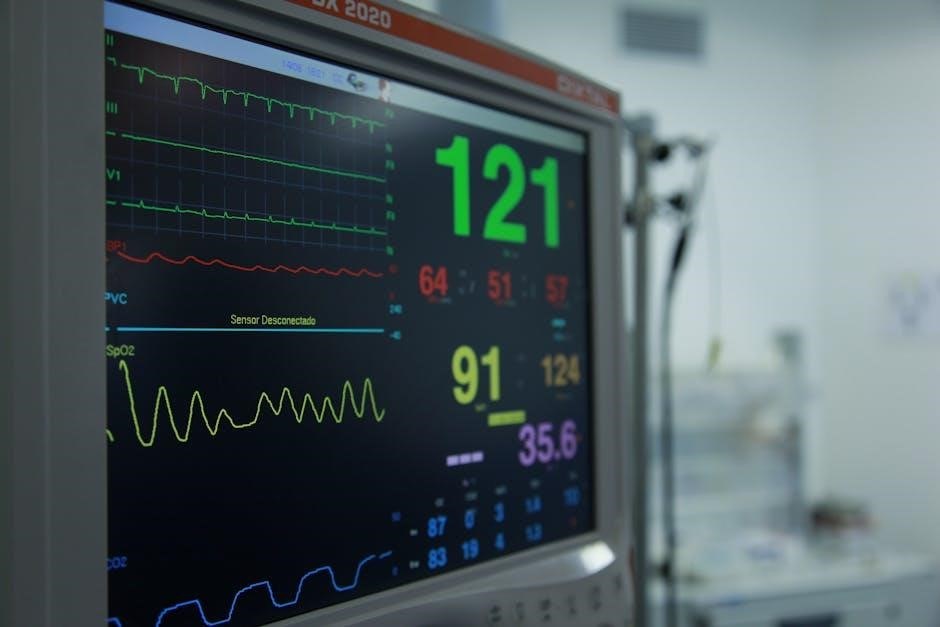
HeartCode ACLS offers a flexible, digital pathway to mastering advanced cardiovascular life support, reflecting the latest 2025 guidelines for improved patient outcomes.
What is HeartCode ACLS?
HeartCode ACLS is the American Heart Association’s (AHA) fully digital, self-paced learning platform for Advanced Cardiovascular Life Support. Unlike traditional, in-person courses, HeartCode allows healthcare professionals to complete the didactic portion of their ACLS certification entirely online, at their own speed and convenience.
This innovative approach utilizes realistic scenarios, engaging videos, and interactive modules to reinforce key concepts. Students actively participate through simulated patient cases, requiring critical thinking and application of ACLS algorithms. Upon successful completion of the online portion, a hands-on skills check is required with an AHA instructor to achieve full certification.
HeartCode ACLS is designed for busy professionals seeking a flexible and effective way to stay current with the latest resuscitation science.
The Importance of ACLS Certification
ACLS certification is crucial for healthcare providers who may encounter patients experiencing cardiac arrest or other life-threatening cardiovascular emergencies. It equips individuals with the skills and knowledge to effectively respond during critical moments, significantly improving patient survival rates.
Possessing ACLS certification demonstrates a commitment to high-quality patient care and adherence to established resuscitation guidelines. Many healthcare facilities require ACLS certification for physicians, nurses, and other allied health professionals.
Beyond professional requirements, ACLS training fosters confidence and competence in managing complex cardiovascular situations, ultimately empowering providers to deliver the best possible care when every second counts. Regular recertification ensures continued proficiency and adaptation to evolving best practices.
Understanding the 2025 Guidelines Changes
The 2025 ACLS guidelines introduce several key updates focused on enhancing resuscitation quality and post-cardiac arrest care. Notable changes include refined algorithms for managing bradycardia, emphasizing early epinephrine administration, and a greater focus on high-quality chest compressions.
Updates also address advanced airway management techniques and the integration of capnography for improved monitoring. There’s increased attention to recognizing and treating the underlying causes of cardiac arrest, alongside systemic post-cardiac arrest care bundles.
Understanding these revisions is paramount for successful completion of the HeartCode ACLS course and delivering optimal patient outcomes. Staying current with these changes is vital for all healthcare professionals.

Accessing HeartCode ACLS Resources
Essential resources include the official AHA website, supplemental materials, and the crucial 2025 PDF study guide for comprehensive preparation and successful certification.
Official AHA Website & Materials
The American Heart Association (AHA) website serves as the primary hub for all things HeartCode ACLS. Here, you’ll find direct access to purchase the course, download essential materials, and review the latest 2025 guidelines updates.
Crucially, the AHA provides a detailed course overview, outlining the modules and learning objectives. Registered users gain access to interactive elements, case studies, and the official 2025 HeartCode ACLS PDF, which is a cornerstone of your study plan.
Remember to regularly check the AHA website for any errata or supplementary information released regarding the 2025 updates, ensuring you’re studying with the most current and accurate content available. Utilizing these official resources maximizes your chances of success.
Third-Party Resource Considerations
While numerous third-party resources claim to offer HeartCode ACLS assistance, including potential 2025 exam answers, caution is paramount. The AHA doesn’t endorse these materials, and their accuracy can be questionable. Relying on unverified sources risks learning incorrect information, potentially jeopardizing patient care and your certification.
Focus on supplementing the official AHA materials – the 2025 PDF and online modules – with reputable sources like peer-reviewed articles or textbooks. If utilizing practice questions from external sites, cross-reference answers with the AHA guidelines.
Prioritize understanding the underlying principles of ACLS rather than memorizing answers. Ethical considerations and patient safety should always guide your study approach.
The Role of the 2025 PDF Study Guide
The official 2025 HeartCode ACLS PDF study guide is the cornerstone of your preparation. It comprehensively covers all essential algorithms, pharmacology, and scenarios updated with the latest guidelines. This document isn’t simply a collection of answers; it’s a learning tool designed for in-depth understanding.
Effectively utilizing the PDF involves active reading, highlighting key concepts, and creating concise notes. Focus on mastering the rationales behind each step in the algorithms, not just memorizing the sequence.
Regularly review the PDF alongside the online modules to reinforce your knowledge and prepare for the exam.
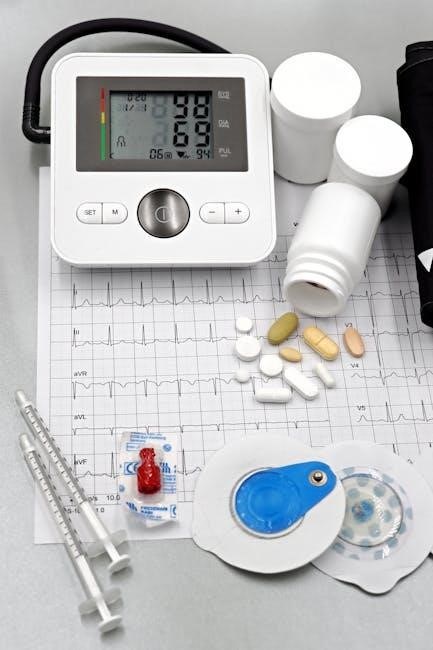
Key ACLS Algorithms & Scenarios
Mastering core algorithms – cardiac arrest, bradycardia, tachycardia, and ACS – is crucial; the 2025 updates emphasize practical application in realistic patient scenarios.
Cardiac Arrest Management
Effective cardiac arrest management, a cornerstone of ACLS, demands swift recognition and immediate intervention. The 2025 guidelines reinforce high-quality CPR – compressions at a rate of 100-120 per minute and a depth of at least 2 inches – minimizing interruptions. Early defibrillation remains paramount for shockable rhythms (ventricular fibrillation and pulseless ventricular tachycardia).
Emphasis is placed on utilizing capnography to confirm and monitor CPR effectiveness, alongside vascular access for medication administration – epinephrine and amiodarone, as indicated. Post-cardiac arrest care receives increased attention, focusing on targeted temperature management and optimizing hemodynamics. Understanding the algorithm’s cyclical nature – compressions, rhythm analysis, defibrillation (if needed), and medication – is vital for successful resuscitation.
Bradycardia & Tachycardia Algorithms
ACLS bradycardia management prioritizes identifying the underlying cause, ranging from medication effects to structural heart disease. The algorithm progresses from atropine administration to transcutaneous pacing, and potentially dopamine or epinephrine infusions, if needed. Tachycardia algorithms differentiate between stable and unstable patients; unstable patients require synchronized cardioversion.
Ventricular tachycardia with a pulse prompts consideration of amiodarone or lidocaine, while pulseless VT/VF follows the cardiac arrest algorithm. Supraventricular tachycardia (SVT) management includes vagal maneuvers, adenosine, and potentially cardioversion. The 2025 updates emphasize a systematic approach, continuous monitoring, and prompt intervention based on the patient’s clinical presentation and hemodynamic stability.
Acute Coronary Syndromes (ACS)
ACLS guidelines for Acute Coronary Syndromes (ACS) focus on rapid assessment and intervention to restore myocardial blood flow. Initial steps involve oxygen administration, aspirin, nitroglycerin, and morphine for pain relief. ST-elevation myocardial infarction (STEMI) necessitates immediate reperfusion therapy – either percutaneous coronary intervention (PCI) or fibrinolytic therapy.
Non-ST-elevation ACS (NSTE-ACS) requires risk stratification and may involve antiplatelet agents, anticoagulants, and further evaluation for potential PCI. The 2025 updates reinforce the importance of timely diagnosis, minimizing ischemia, and preventing complications like cardiogenic shock. Continuous ECG monitoring and vigilant assessment of the patient’s condition are paramount.
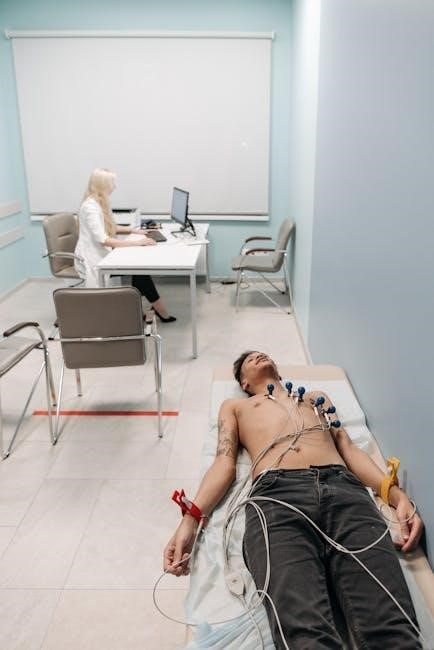
Decoding the HeartCode ACLS 2025 PDF
The 2025 PDF is structured for efficient learning, presenting algorithms, case studies, and crucial definitions to prepare you for successful ACLS certification.
Navigating the PDF Structure
The HeartCode ACLS 2025 PDF is meticulously organized to facilitate a streamlined learning experience. It typically begins with an introduction outlining the course objectives and updates from previous guidelines. Following this, you’ll find dedicated sections for each core ACLS algorithm – cardiac arrest, bradycardia, tachycardia, and acute coronary syndromes.
Each algorithm is presented with a clear, step-by-step approach, often accompanied by flowcharts for visual clarity. Case studies are strategically interspersed throughout, allowing you to apply your knowledge to realistic clinical scenarios. A comprehensive glossary of key terms and definitions is usually included at the end, serving as a valuable reference tool. Pay close attention to any highlighted sections or notes, as these often emphasize critical updates or areas of focus for the 2025 exam.
Understanding the Case Studies
HeartCode ACLS 2025 case studies are pivotal for solidifying your understanding and preparing for exam scenarios. These aren’t simply about finding the “right” answer; they emphasize critical thinking and applying algorithms dynamically. Carefully analyze the patient presentation, including vital signs, ECG findings, and relevant history.
Focus on why certain interventions are prioritized over others. The PDF will often present multiple-choice questions following each case, requiring you to justify your decisions. Don’t just memorize steps; understand the underlying pathophysiology driving each action. Review the rationales provided for both correct and incorrect answers – this is where true learning occurs. Expect cases to reflect real-world complexities and require nuanced decision-making.
Key Terms & Definitions within the PDF
The HeartCode ACLS 2025 PDF is packed with essential terminology; mastering these definitions is crucial for comprehension and exam success. Pay close attention to terms like “agonal rhythm,” “pulseless electrical activity (PEA),” and “ventricular fibrillation (VF).” Understand the distinctions between different types of heart blocks and their corresponding treatments.
Familiarize yourself with pharmacological terms – dosages, mechanisms of action, and potential side effects of drugs like epinephrine, amiodarone, and atropine. The PDF provides concise definitions, but supplement with external resources if needed. Creating flashcards or a glossary can be incredibly helpful for retention. Don’t underestimate the power of precise language in ACLS!

Practice Questions & Self-Assessment
Self-assessment via practice questions, mirroring the 2025 exam format, is vital for identifying knowledge gaps and building confidence before certification.
Types of Questions in the HeartCode ACLS Exam
The HeartCode ACLS exam predominantly features multiple-choice questions designed to assess your understanding of algorithms, pharmacology, and clinical decision-making. Expect scenarios requiring you to interpret ECGs, prioritize interventions, and apply guidelines to simulated patient cases.
A significant portion focuses on recognizing appropriate treatment sequences during cardiac arrest, bradycardia, tachycardia, and acute coronary syndromes. Questions also delve into post-cardiac arrest care, airway management, and the importance of effective team communication.
Furthermore, anticipate questions testing your knowledge of relevant medications – dosages, indications, and contraindications – as outlined in the 2025 guidelines. Some questions may present case studies demanding critical thinking and application of learned concepts.
Utilizing Practice Exams (PDF & Online)
Practice exams are crucial for HeartCode ACLS success, mirroring the exam’s format and difficulty. PDF versions offer convenient offline study, while online platforms often provide timed simulations and immediate feedback. Leverage both resources for a comprehensive preparation strategy.
Focus on understanding why an answer is correct or incorrect, not just memorizing responses. Analyze your performance to pinpoint weak areas – algorithms, pharmacology, or specific scenarios. Repeatedly attempt practice questions until consistent accuracy is achieved.
Many resources offer detailed rationales explaining the correct answers, enhancing your learning. Remember, the goal isn’t simply to pass practice tests, but to internalize the 2025 guidelines and develop confident clinical judgment.

Analyzing Your Performance & Identifying Weaknesses
Post-practice exam analysis is paramount. Don’t just note your score; dissect each question. Categorize errors: were they due to knowledge gaps, misinterpreting the scenario, or time pressure? Focus on recurring themes – consistently struggling with bradycardia algorithms, for example – to reveal specific weaknesses.
Review the corresponding sections in the HeartCode ACLS 2025 materials. Utilize the PDF’s case studies to apply concepts in different contexts. Create targeted study sessions addressing identified deficits.
Consider creating flashcards or concept maps for challenging topics. Honest self-assessment is key; acknowledging weaknesses allows for focused improvement and builds confidence for the actual exam.

Specific Challenges in the 2025 Exam
The 2025 exam emphasizes realistic scenarios, team communication, and post-cardiac arrest care, demanding a nuanced understanding of updated guidelines and protocols.
Emphasis on Team Dynamics
The 2025 HeartCode ACLS exam significantly increases its focus on effective team dynamics during resuscitation efforts. Expect scenarios that assess your ability to clearly communicate, delegate tasks, and constructively receive feedback within a simulated code team environment.
Questions will likely present situations requiring you to identify leadership roles, resolve conflicts, and ensure all team members contribute effectively to patient care. Understanding closed-loop communication – repeating orders to confirm understanding – is crucial.
Furthermore, the exam will evaluate your awareness of team resource management principles, including recognizing and addressing fatigue or stress within the team. Successful candidates will demonstrate a commitment to a collaborative, respectful, and efficient team approach to cardiac emergencies.
Increased Focus on Post-Cardiac Arrest Care
HeartCode ACLS 2025 places substantial emphasis on comprehensive post-cardiac arrest care, extending beyond initial resuscitation. Expect detailed questions regarding targeted temperature management (TTM), optimizing hemodynamics, and identifying/treating the underlying cause of the arrest.
The exam will assess your knowledge of advanced airway management strategies post-return of spontaneous circulation (ROSC), including appropriate ventilator settings and weaning protocols.
Furthermore, anticipate scenarios evaluating your understanding of neurological prognostication, coronary angiography considerations, and the importance of multi-disciplinary collaboration for long-term patient recovery. Mastering the “chain of survival” extension – post-cardiac arrest care – is now paramount for success.
New Recommendations for Airway Management
HeartCode ACLS 2025 reflects evolving best practices in airway management, demanding a nuanced understanding. The exam will likely feature scenarios testing proficiency with supraglottic airways (SGAs) as a primary alternative to endotracheal intubation, particularly for initial airway stabilization.
Expect questions assessing appropriate SGA selection, insertion techniques, and confirmation of placement.
Furthermore, the updated guidelines emphasize minimizing interruptions in chest compressions during airway interventions. You’ll need to demonstrate knowledge of waveform capnography for confirming endotracheal tube placement and assessing ventilation effectiveness. Be prepared for scenarios requiring rapid sequence intubation (RSI) considerations and post-intubation management.

Maximizing Your Study Efficiency
Strategic study habits, including scheduled reviews and focused practice, are crucial for mastering the HeartCode ACLS material and succeeding on the 2025 exam.
Creating a Study Schedule
Developing a well-structured study schedule is paramount for HeartCode ACLS success, especially with the 2025 updates. Begin by assessing the total content volume – the PDF, online modules, and any supplemental materials. Allocate specific time slots for each section, prioritizing areas where you feel less confident.
Break down large topics into smaller, manageable chunks. Incorporate regular review sessions to reinforce learning and prevent forgetting. Be realistic about your commitments and build in buffer time for unexpected events. A sample schedule might dedicate one hour daily for five days a week, culminating in a full practice exam session on the weekend. Consistency is key; even short, focused study periods are more effective than infrequent cramming.
Effective Note-Taking Techniques
Mastering effective note-taking is crucial when navigating the HeartCode ACLS 2025 PDF and related materials. Avoid simply copying text; instead, focus on summarizing key concepts in your own words. Utilize techniques like mind mapping to visually connect related ideas and algorithms.
Employ abbreviations and symbols to speed up the process, but ensure they remain clear and understandable. Dedicate a section for frequently encountered medications, dosages, and contraindications. Regularly review and refine your notes, adding clarifications and examples as needed. Consider creating flashcards for quick recall of vital information, particularly for algorithms and critical values.
Utilizing Mnemonics & Memory Aids
Successfully retaining the complex information within the HeartCode ACLS 2025 PDF often requires employing mnemonics and memory aids. Create acronyms for algorithms – for example, remembering steps in cardiac arrest management. Associate specific medications with memorable images or stories to enhance recall.
Develop rhymes or songs to solidify the order of actions in critical scenarios. Utilize the method of loci, associating information with familiar locations. Regularly test yourself using these aids, reinforcing the connections. Don’t hesitate to create your own personalized mnemonics; they’ll be more effective if they resonate with you!

Troubleshooting Common Issues
Encountering technical difficulties or feeling overwhelmed is normal; solutions include checking system requirements, seeking AHA support, and managing exam-related stress.
PDF Compatibility & Viewing Problems
Occasionally, users may experience issues opening or viewing the HeartCode ACLS 2025 PDF. This can stem from an outdated PDF reader, like Adobe Acrobat Reader, or compatibility problems with certain operating systems or browsers. First, ensure you have the latest version of Adobe Acrobat Reader installed – it’s free to download from Adobe’s website. Next, try opening the PDF with a different browser (Chrome, Firefox, Edge) to rule out browser-specific issues.
If problems persist, consider downloading the PDF again, as the initial download might have been corrupted. Also, verify your computer meets the minimum system requirements specified by the AHA. Finally, disabling browser extensions or PDF viewer plugins can sometimes resolve conflicts. Remember to clear your browser’s cache and cookies before attempting to download the PDF again.
Accessing Support & Help Resources
When navigating the HeartCode ACLS 2025 materials, encountering difficulties is normal; The American Heart Association (AHA) provides extensive support resources. First, check the official AHA website’s FAQ section – it addresses many common questions regarding access, compatibility, and course content. Secondly, AHA’s customer service team is available via phone and email; contact details are readily available on their website.
Furthermore, many online forums and communities dedicated to ACLS certification offer peer support and troubleshooting advice. Consider searching for these groups on platforms like Reddit or Facebook. Don’t hesitate to reach out to your course instructor if you’re enrolled in a blended learning program. Remember to have your course details ready when contacting support.
Dealing with Exam Anxiety
Exam anxiety is a common hurdle when preparing for HeartCode ACLS certification. Recognize that feeling nervous is normal, but excessive anxiety can hinder performance. Practice deep breathing exercises and mindfulness techniques to calm your nerves before and during the exam. Ensure adequate sleep and maintain a healthy diet in the days leading up to the assessment.
Focus on your preparation and trust in your knowledge. Visualize success and remind yourself of your capabilities. If you experience panic during the exam, take a moment to pause, breathe deeply, and refocus. Remember the AHA provides resources to help you succeed; utilize them! Positive self-talk can significantly boost your confidence.

Beyond the PDF: Additional Study Tools
Supplement your HeartCode ACLS study with online modules, in-person courses, and collaborative peer groups for a comprehensive and effective learning experience.
HeartCode ACLS Online Modules
AHA’s HeartCode ACLS online modules provide an interactive and engaging learning environment, complementing the core PDF material. These modules feature realistic scenarios, dynamic simulations, and video demonstrations of crucial skills. They allow for self-paced learning, enabling you to revisit complex topics as needed.
Each module focuses on specific algorithms and skills, reinforcing key concepts presented in the 2025 guidelines. Interactive elements, such as drag-and-drop activities and virtual patient assessments, enhance knowledge retention. Successful completion of the online portion is a prerequisite for the in-person skills check, making these modules an essential component of your preparation. They bridge the gap between theory and practice, building confidence for real-world application.
ACLS Provider Courses (In-Person)
Completing a traditional, in-person ACLS Provider course remains the gold standard for certification, building upon the foundation laid by HeartCode and the 2025 PDF. These courses offer hands-on practice with essential skills like airway management, defibrillation, and medication administration, under the guidance of certified instructors.
The in-person component focuses on team-based scenarios, simulating real-life emergencies and fostering effective communication. You’ll receive immediate feedback on your performance, refining your technique and solidifying your understanding. Successful completion requires demonstrating proficiency in both cognitive knowledge and psychomotor skills. This blended approach – online modules plus in-person practice – ensures you’re fully prepared to respond confidently to cardiac emergencies.
Peer Study Groups & Collaboration
Leveraging the power of collaborative learning can significantly enhance your HeartCode ACLS preparation, especially when navigating the 2025 updates. Forming a study group allows you to discuss complex algorithms, dissect challenging case studies from the PDF, and quiz each other on key concepts.
Explaining material to others reinforces your own understanding, while hearing different perspectives can illuminate areas you may have overlooked. Share practice questions, debate best practices, and simulate scenarios together. This interactive approach fosters a supportive learning environment and builds confidence. Remember, teaching is often the best way to learn – and preparing for ACLS is a team effort!