
Overview of “The Pit and the Pendulum”
The Pit and the Pendulum PDF offers free access to Poe’s chilling tale, available in PDF, EPUB, MOBI, and FB2 formats. Readers can download or read online via Project Gutenberg and Internet Archive, enjoying a 30‑minute read without sign‑up. for all readers.!

Synopsis of the Short Story
In the chilling PDF edition of Edgar Allan Poe’s classic, the unnamed narrator awakens in a stone cell under the Spanish Inquisition, with no memory of how he arrived. The darkness is broken only by a faint, rhythmic thud that grows louder as a massive iron pendulum descends from the ceiling, threatening to crush him. He discovers a pit at the center of the room, its depth unknown, and realizes that the walls are lined with a series of iron bars that will soon be used to torture him further. As the pendulum swings closer, he experiences a terrifying sense of time slipping away, each swing a countdown to death. He finds a candle, a piece of bread, and a small, hidden key that may unlock the door, but the key’s purpose remains ambiguous. The narrative intensifies with psychological terror, as the narrator’s thoughts race between hope and despair, and he must confront the fear of an unseen executioner. The story culminates in a moment of revelation when the pendulum is halted, and the narrator sees the truth of his imprisonment, leaving readers with a lingering dread of the unknown. The tension escalates as the narrator contemplates the inevitability of death, his mind racing through memories of freedom, the oppressive silence of the cell, and the ticking that seems to echo the heartbeats of the condemned.!
Author Background: Edgar Allan Poe
Born in Boston on January 19, 1809, Edgar Allan Poe became one of America’s most celebrated writers, known for his macabre tales, lyrical poetry, and pioneering contributions to the detective genre. Poe’s early life was marked by hardship; his mother died when he was two, and his father abandoned the family shortly thereafter. He was raised by a foster family, the Allens, who provided a stable environment that nurtured his literary ambitions. Poe attended the University of Virginia but was expelled for gambling and drunkenness, a pattern that would recur throughout his adult life. He later studied at the United States Military Academy at West Point, where he earned a commission as a second lieutenant, but resigned after a year due to health issues and a desire to pursue writing full time. His literary career began with the publication of “Tamerlane” in 1827, a poem that earned him early acclaim. Poe’s writing style is characterized by meticulous attention to atmosphere, a fascination with the human psyche, and an exploration of themes such as death, guilt, and the supernatural. He is credited with creating “The Murders in the Rue Morgue,” and is often considered the father of the modern horror genre. Poe’s life was tragically short; he died on October 7, 1849, in Baltimore, and remains profound and enduring.

Publication History and Formats
First published in 1842, The Pit and the Pendulum appears in PDF, EPUB, MOBI, FB2 via Project Gutenberg and Internet Archive. Free PDFs offer 30‑minute reads, while paid platforms host the same text. for all readers.!!
Original Publication Details
Edgar Allan Poe’s chilling short story “The Pit and the Pendulum” first appeared in the American literary press in 1842, when it was published in the Southern Literary Gazette (April 1842) as part of a series of his works. The tale was later reprinted in the American Review in 1843, and again in the American Magazine in 1845, cementing its place in the canon of early American horror. The original editions were printed in black‑and‑white text, with no illustrations, and were distributed in both single‑issue and compiled anthology formats. The story’s initial reception was mixed, with some critics praising Poe’s atmospheric tension while others found the narrative too grim. Over the decades, it has been reissued in numerous collections, including the 1850 anthology Edgar Allan Poe: The Complete Works, and has become a staple in university curricula. The 1842 edition remains a prized collector’s item, often sought after by bibliophiles for its historical significance and its role in establishing Poe’s reputation as a master of psychological terror. Today, the text is freely available in PDF, EPUB, MOBI, and FB2 formats through Project Gutenberg and the Internet Archive, allowing readers worldwide to experience the original narrative in its most authentic form. Its publication history reflects Poe’s evolving relationship with the American literary market and his enduring influence on the horror genre.
Public Domain Status
Since Edgar Allan Poe died in 1849, all of his works entered the public domain in the United States 70 years after his death, making “The Pit and the Pendulum” freely available to the public. The text is now in the public domain worldwide, which allows libraries, publishers, and individual readers to reproduce, distribute, and adapt the story without seeking permission or paying royalties. This status has facilitated the proliferation of the story across a wide range of digital platforms, including Project Gutenberg, Internet Archive, and other open‑access repositories. The public domain designation also enables the creation of derivative works such as annotated editions, dramatizations, and educational resources that can be shared freely. Because the story is in the public domain, it can be incorporated into modern anthologies, used in classroom curricula, and adapted into audio, video, and interactive media without legal restrictions. The open status has helped preserve the text for future generations, ensuring that the psychological intensity and historical significance of Poe’s narrative remain accessible to anyone with an internet connection or a physical copy. The public domain also encourages scholarly research, allowing researchers to analyze the original manuscript, compare early editions, and study the evolution of the text without copyright barriers. In short, the public domain status of “The Pit and the Pendulum” guarantees its continued availability and relevance across all media.

Available Formats (PDF, EPUB, MOBI, FB2)
The Pit and the Pendulum is available in multiple digital formats, each tailored to different reading preferences. The PDF version, sized at 130.78 KB, offers a faithful reproduction of the original text and is easily downloadable from Project Gutenberg or the Internet Archive. The PDF has 3,251 hits on Project Gutenberg, reflecting its popularity among readers. For those who prefer a more portable format, the EPUB file is only 17.48 KB, making it ideal for e‑readers that support reflowable text. The EPUB has 1,294 hits, showing steady interest from the e‑book community. The MOBI version, at 34.26 KB, is compatible with Amazon Kindle devices and provides a smooth reading experience on the go. The MOBI has 622 hits, indicating a niche but dedicated audience. Finally, the FB2 file, measuring 39.42 KB, caters to readers who use the FB2 format for its rich metadata and compatibility with a range of e‑book readers; The FB2 has 677 hits, showing its relevance in specialized circles. Each format is available for free, reflecting the public‑domain status of the work, and can be accessed without any registration or payment. Whether you prefer a compact PDF brief for reference, an EPUB for flexible layout, a MOBI for Kindle, or an FB2 for readers, The Pit and the Pendulum can be downloaded in the format that best suits your needs. Additionally, these files are often bundled with supplementary materials such as annotations, historical context, and discussion guides, enhancing the reading experience for scholars and enthusiasts alike. The availability of these formats ensures that students, researchers, and casual readers can engage with Poe’s classic without barriers, fostering continued appreciation of his work.

Online Access and Download Sources
Free PDF, EPUB, MOBI, and FB2 files are hosted on Project Gutenberg, Internet Archive, and ibiblio. No registration needed; click the download button to start the 30‑minute read instantly. Enjoy reading!! Download.!

Free PDF Download Sites (Project Gutenberg, Internet Archive)
For readers seeking the classic “Pit and the Pendulum” in PDF format, two primary free repositories stand out: Project Gutenberg and Internet Archive. Both sites host the full text in a clean, downloadable PDF that preserves the original layout and typography, making it ideal for study or casual reading. No registration or payment is required—simply navigate to the title’s page, click the “Download” button, and the PDF will begin to download automatically. Project Gutenberg offers an additional “Plain Text” option for those who prefer a lightweight version, while Internet Archive provides a “MOBI” and “EPUB” download as well. PDF files are under 200 KB, quick loading on mobile, fast. Both platforms maintain a consistent, user‑friendly interface, and the PDFs are available for instant download, allowing readers to access the story offline at any time. The sites also include a brief summary and publication history, giving context to the text. Users can bookmark the page, and links are updated regularly to reflect changes in the public domain status. Whether you’re a student, a fan of Poe’s work, or simply curious about Spanish‑Inquisition‑era horror, these free PDF downloads provide a reliable, hassle‑free way to experience the chilling narrative.
Paid Platforms (Amazon, Google Books)
Paid platforms such as Amazon and Google Books offer the Pit and the Pendulum in PDF format for purchase, typically priced between $0.99 and $3.99. They provide a brief preview before buying, allowing readers to confirm the layout and formatting. The PDFs are delivered via the Kindle app or converted to PDF for use on PCs and tablets, ensuring compatibility across devices. Users can also download the file to a computer or e‑reader, and the file is usually free of watermarks or DRM. The PDF is then added to the user’s library for future access. Paid options are attractive for readers who prefer a single, high‑quality PDF file with no watermarks, and for those who want to support the platforms that host the text. However, for those who only need the text, free public‑domain sources remain an excellent alternative. Additionally, both platforms provide customer support and offer digital rights management (DRM) protection for the purchased files. Users can also transfer the PDF to other devices or share it with classmates, as long as the license permits. The convenience of instant download and the ability to read offline make these paid options popular among scholars and horror enthusiasts alike.
Thematic Analysis
Pit and the Pendulum PDF reveals themes of psychological torment, claustrophobia, and the relentless passage of time, embodied by the pendulum’s inexorable swing and the abyssal pit, creating a haunting narrative. The PDF format preserves original typography.
Psychological Torment and Fear
In the Pit and the Pendulum PDF, the unnamed narrator’s descent into a dim, stone‑walled cell is a study in escalating dread. The text describes a slow, deliberate tightening of the iron bars, a creeping sense of isolation, and the relentless, rhythmic swing of the pendulum that seems to mark the passage of time itself. Each breath is a reminder that the walls are closing in, and the darkness below appears to pulse with a living menace. The PDF preserves Poe’s original punctuation and line breaks, allowing readers to experience the claustrophobic pacing that mirrors the protagonist’s mental unraveling. The fear is not merely physical; it is psychological, rooted in the unknown and the anticipation of an unseen executioner. The narrator’s mind oscillates between hope for rescue and the terror of inevitable death, creating a tension that is amplified by the stark, unadorned formatting of the PDF. The reader is drawn into the protagonist perspective, weight of each moment as it stretches into a terrifying loop the fear of dread! and dread of dread. The relentless dread culminates in a chilling realization that freedom is an illusion, tightening cage!.

Symbolism of the Pendulum and the Pit
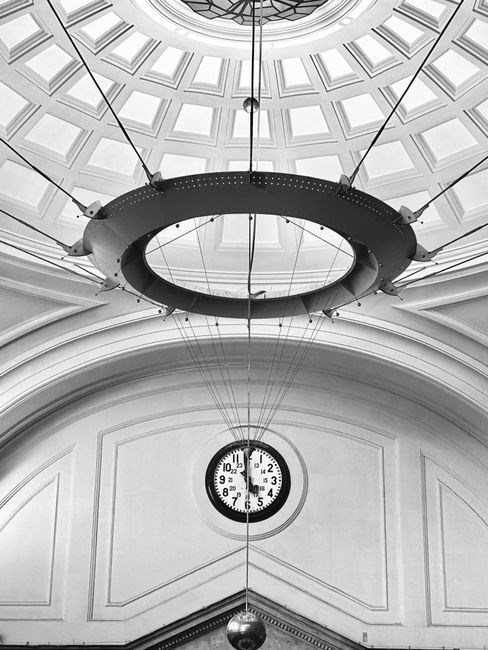
The PDF rendition of Poe’s classic keeps the original imagery intact, allowing readers to visualize the pendulum’s relentless swing as a metronome of impending doom. The pendulum itself functions as a symbol of time’s inexorable march, its heavy iron arm casting a dark shadow that grows longer with each oscillation, mirroring the narrator’s shrinking hope. The pit beneath the floor represents the abyss of death and the unknown, a void that threatens to swallow the protagonist whole. Together, the pendulum and the pit create a dual motif of confinement: the physical trap of the cell and the psychological trap of fear. In the PDF, the stark black text against white paper heightens the sense of desolation, while the precise line breaks emphasize the rhythmic tension. The pendulum’s swing is described in terms of “the sound of a hammer striking a bell,” a sound that echoes through the empty corridors, reinforcing the idea that time is a relentless, audible threat. The pit’s depth is never quantified, leaving readers to imagine an infinite void, a metaphor for the unknowable fate awaiting the condemned. The combination of these symbols underscores the theme that human suffering is amplified by the certainty of time and the certainty of death, a duality that Poe masterfully conveys through concise, haunting prose. Fear grips the soul deep.!!

Reception and Cultural Impact

The PDF edition keeps Poe’s chilling atmosphere intact, making the story widely accessible. Scholars cite it as a key influence on 20th‑century horror, inspiring films, games, and academic debates. Its free availability expands cultural reach worldwide. and fans!!
Critical Reception Over Time
Since its 1842 debut, critics lauded Poe’s mastery of suspense, noting the vivid psychological terror. Contemporary reviews in the New York Evening Post highlighted the “unrelenting dread” that kept readers on edge. By the 1880s, scholars interpreted the story as a critique of authoritarian oppression, citing its vivid depiction of the Spanish Inquisition. The 20th century saw a surge in academic interest; journals such as The Sewanee Review and Modern Language Notes published essays dissecting the narrative’s symbolic use of the pendulum and the pit. Psychoanalytic readings in the 1950s linked the protagonist’s isolation to Freudian concepts of the uncanny. Late 20th and early 21st centuries noted the story’s influence on modern horror cinema, with scholars citing thematic echoes in films like Jacob’s Ladder and Pan’s Labyrinth. Digital editions, including the freely available PDF, have broadened readership, prompting critics to reassess the story’s relevance to present‑day anxieties about surveillance and institutional control. Today, the text remains a staple in horror curricula, reflected in frequent references across literature, film, and popular culture. The PDF format democratizes access, ensuring new generations experience the chilling narrative firsthand, sustaining its critical prominence. The PDF’s access keeps the story alive for readers s.
Influence on Horror Genre and Adaptations
Since its 1842 debut, “The Pit and the Pendulum” has shaped horror, inspiring film, stage, and digital renditions. Its tight pacing, claustrophobic setting, and symbolic pendulum offer a template for tension without costly effects. Silent films of the 1910s and 1920s captured the psychological terror of confinement. A 1990s television anthology dramatized Poe’s prose, preserving atmospheric dread. The 2000s brought a modern take weaving surveillance and institutional control, echoing contemporary anxieties. Digital platforms, notably Project Gutenberg and Internet Archive, provide free PDF access, letting students experience the chilling narrative instantly. The story’s influence extends beyond cinema; it informs horror literature with its psychological terror, minimal violence, and symbolic devices. Writers use the pendulum as a metaphor for time’s relentless march, and the pit as an unknown abyss. The PDF’s accessibility democratizes study, allowing scholars to dissect the text in classrooms and online forums, sustaining its legacy in the horror canon. Today, the tale remains a staple in anthologies, a reference point for creators seeking dread through psychological means rather than gore. Its chilling climax, where the pendulum inches closer to the protagonist, exemplifies Poe’s mastery of building dread through anticipation now!!